
The road to recovery after a catastrophic rideshare injury, especially one that leaves a Lyft driver paralyzed in LA, is fraught with misinformation. Many people, including some attorneys, simply don’t grasp the complexities involved in securing maximum compensation.
Key Takeaways
- Lyft’s insurance policies, specifically their primary liability coverage, can offer up to $1 million for third-party injuries when a driver is engaged in a ride or en route to a passenger.
- California’s Proposition 22 significantly alters the legal landscape for rideshare drivers, classifying them as independent contractors and limiting their access to traditional workers’ compensation benefits.
- Navigating the legal framework requires demonstrating negligence on the part of the at-fault driver and meticulously documenting the full extent of long-term medical care, including adaptive equipment and home modifications.
- A specialized personal injury attorney with specific experience in rideshare accident litigation is essential for identifying all potential insurance coverages and negotiating complex settlements.
- The statute of limitations for personal injury claims in California is generally two years from the date of injury, making prompt legal action critical.
Myth 1: Lyft Drivers are Employees and Get Workers’ Comp
This is perhaps the most pervasive and damaging misconception out there. Many injured rideshare drivers, and even some general practice attorneys, assume that because they are driving for Lyft, they are entitled to workers’ compensation benefits just like an employee at a traditional company. This is absolutely false, especially here in California. In 2020, California voters passed Proposition 22, which explicitly classifies rideshare drivers as independent contractors, not employees. This means they are generally excluded from traditional workers’ compensation coverage.
I’ve seen firsthand the devastation this misunderstanding causes. A client last year, a dedicated Uber driver paralyzed after a collision on the 101 near Calabasas, came to us after another firm had wasted months pursuing a workers’ comp claim that was dead on arrival. We had to pivot quickly, focusing instead on the at-fault driver’s insurance and, critically, Uber’s own liability policies. The difference in strategy is monumental. While Prop 22 did mandate some alternative benefits for rideshare drivers, such as occupational accident insurance for certain injuries, these are typically far less comprehensive than standard workers’ compensation, often capped and limited in scope. For a catastrophic injury like paralysis, these benefits barely scratch the surface of actual costs.
Suffered a serious injury?
Know what your case is worth with AI Catastrophic Payout Calculator for FREE!
Start my free evaluationMyth 2: Lyft’s Insurance Won’t Cover a Driver’s Own Injuries
Another common belief is that Lyft’s insurance is solely for passengers or third parties, leaving the driver completely exposed. This isn’t entirely accurate, though the coverage varies significantly depending on the driver’s status at the time of the accident. Lyft, like other rideshare companies, carries substantial insurance policies. According to Lyft’s own insurance summary, when a driver is actively engaged in a ride (Period 3) or en route to pick up a passenger (Period 2), their primary liability coverage can be up to $1 million for third-party injuries. This is crucial. While this is primarily for other people injured in the accident, it’s not the whole story for the driver.
For the driver themselves, the situation is more nuanced. If another driver is at fault, that driver’s personal auto insurance is the primary source of recovery. However, if the at-fault driver is uninsured or underinsured, Lyft’s policy often includes uninsured/underinsured motorist (UM/UIM) coverage. This can be a lifesaver. I had a complex case involving a Lyft driver who was hit by an uninsured motorist on Olympic Boulevard near Koreatown. The driver sustained severe spinal injuries. We were able to tap into Lyft’s UM/UIM policy, which provided a critical layer of compensation that would have otherwise been unavailable. Without this, his path to maximum recovery would have been severely compromised. It’s a complex area, though, and the specific limits of Lyft’s UM/UIM coverage can vary by state and policy details. The key is to understand when these policies apply. If the driver was logged into the app but waiting for a ride request (Period 1), the coverage is significantly lower, typically only contingent liability. This makes the timing of the accident absolutely critical to the claim’s potential value.
Myth 3: Catastrophic Injury Cases Settle Quickly and Easily
Anyone who tells you a catastrophic injury case, especially one involving paralysis, will settle quickly has either never handled one or is misleading you. These cases are anything but simple or fast. The sheer magnitude of damages—medical bills, lost income, future care, adaptive equipment, home modifications, pain and suffering—demands meticulous calculation and aggressive negotiation. We’re talking about a lifetime of care.
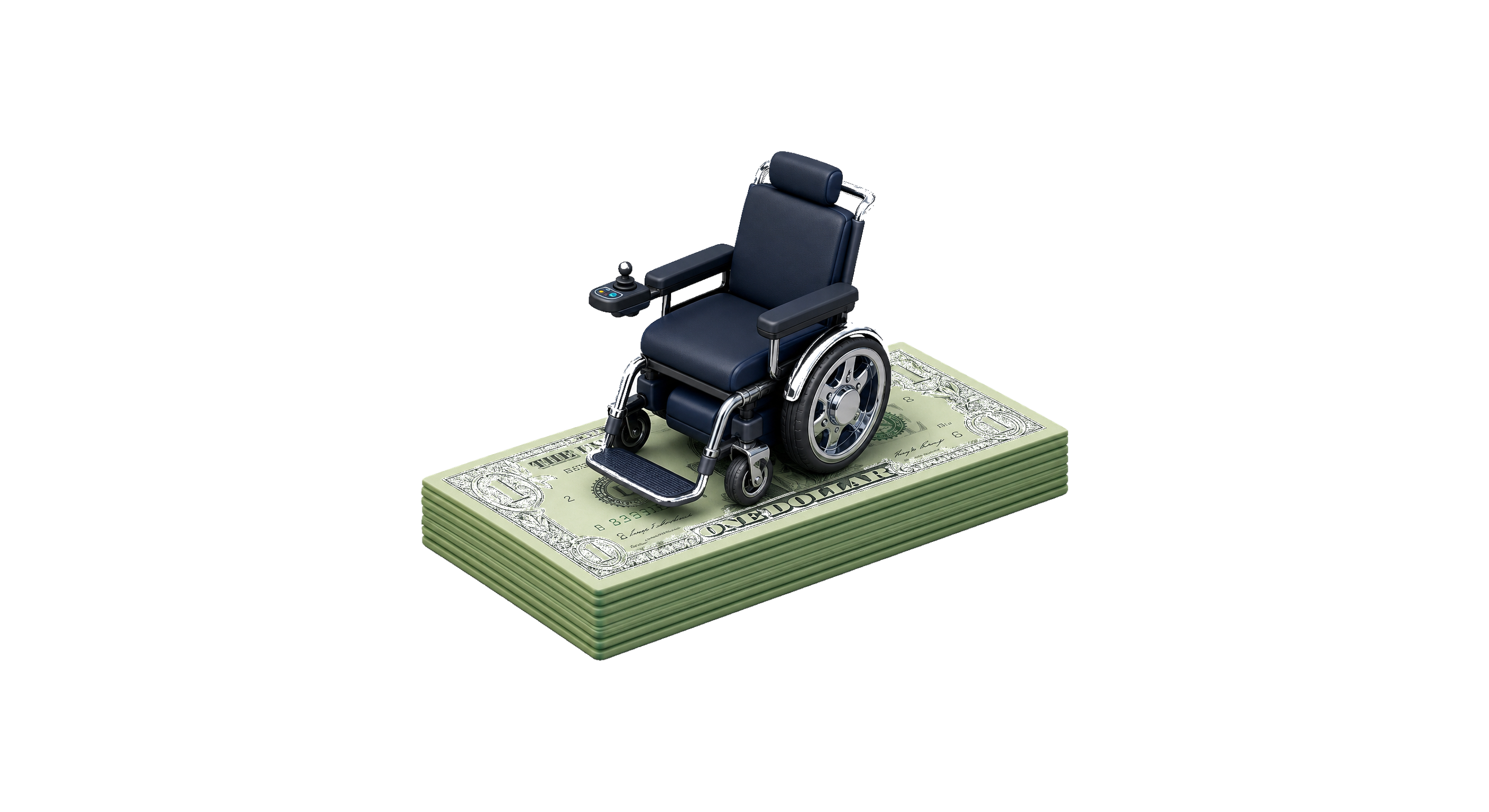
Consider a client we represented, a Lyft driver who suffered a C5-C6 spinal cord injury after a collision on the 405 Freeway near the Getty Center. His initial medical bills alone were staggering. But beyond that, we had to project future costs: ongoing physical therapy at institutions like Rancho Los Amigos National Rehabilitation Center, specialized medical equipment like a power wheelchair (which can cost upwards of $30,000 to $50,000 and needs regular replacement), home modifications for accessibility (think ramps, widened doorways, accessible bathrooms – easily six figures), and potentially a lifetime of attendant care. We work with life care planners and economic experts to create a comprehensive picture of these costs. According to the National Spinal Cord Injury Statistical Center, the average first-year expenses for a high tetraplegia (C1-C4) injury can exceed $1.2 million, with subsequent annual costs over $200,000. For lower tetraplegia (C5-C8), the first-year cost is still over $800,000. These aren’t small numbers, and insurance companies fight tooth and nail to reduce them. It’s a protracted battle, often involving multiple depositions, expert witness testimony, and mediation before a resolution is reached. Expect significant discovery and negotiation phases.
Myth 4: Any Personal Injury Lawyer Can Handle a Catastrophic Rideshare Case
This is a dangerous assumption. While many personal injury attorneys are competent, a catastrophic rideshare injury case, particularly one involving paralysis, demands a very specific skill set and deep experience. This isn’t just about car accidents; it’s about navigating the complex interplay of rideshare company policies, California’s unique legal framework for independent contractors, and the intricate medical and financial projections for lifelong care.
My firm, for instance, dedicates a substantial portion of our practice to rideshare accidents. We understand the nuances of Lyft’s insurance policies – when Period 1, 2, or 3 coverage applies, and how to argue for maximum benefits. We know the specific experts needed: neurologists, occupational therapists, vocational rehabilitation specialists, and life care planners who can accurately assess the long-term impact of paralysis. We also have established relationships with local resources in Los Angeles, from rehabilitation facilities to home modification contractors, which helps us build a robust case for damages. An attorney who primarily handles slip-and-falls or minor fender-benders simply won’t have the specialized knowledge or resources to effectively advocate for someone facing a lifetime of medical challenges and financial hardship. You need someone who has gone up against major insurance carriers and rideshare companies before and won.
Myth 5: You Have Unlimited Time to File a Claim
Time is a critical factor, and delays can be catastrophic to your case. Many people, overwhelmed by medical treatment and recovery, mistakenly believe they can address legal matters “when things settle down.” This is a grave error. In California, the general statute of limitations for personal injury claims is two years from the date of the injury. This means you have a limited window to file a lawsuit against the at-fault party.
While two years might sound like a long time, it flies by, especially when you’re dealing with a life-altering injury like paralysis. Gathering evidence, interviewing witnesses, obtaining medical records, and conducting a thorough investigation all take time. If you miss this deadline, you will almost certainly lose your right to pursue compensation, regardless of how strong your case might be. There are very limited exceptions to this rule, and relying on them is a gamble you cannot afford to take. We always advise potential clients to contact us immediately after an accident, even if they are still in the hospital. The sooner we can begin our investigation, the stronger position we will be in to preserve evidence and build a compelling case. Don’t let precious time slip away – it could cost you the maximum recovery you deserve.
Securing maximum compensation after a catastrophic rideshare injury resulting in paralysis requires immediate, expert legal intervention from a firm intimately familiar with both rideshare law and severe personal injury litigation. Don’t fall for common myths; instead, seek counsel that understands the unique challenges and pathways to justice in these complex cases.
What specific types of insurance coverage does Lyft provide for its drivers in California?
Lyft provides different levels of insurance coverage depending on the driver’s status. When a driver is logged into the app but waiting for a ride request (Period 1), there’s typically lower contingent liability coverage. When a driver has accepted a ride request and is en route to pick up a passenger (Period 2) or is actively transporting a passenger (Period 3), Lyft’s primary liability insurance kicks in, often providing up to $1 million for third-party injuries and sometimes including uninsured/underinsured motorist coverage for the driver.
How does Proposition 22 affect a paralyzed Lyft driver’s ability to get compensation?
Proposition 22 classifies Lyft drivers as independent contractors in California, which means they are generally not eligible for traditional workers’ compensation benefits. Instead, Prop 22 mandates some alternative benefits, such as occupational accident insurance for certain injuries, but these are typically less comprehensive than standard workers’ comp and often capped, which can be insufficient for catastrophic injuries like paralysis.
What kind of expert witnesses are needed for a paralysis case involving a rideshare accident?
For a paralysis case, a comprehensive team of expert witnesses is crucial. This often includes medical specialists like neurologists, spinal cord injury specialists, and rehabilitation physicians to detail the injury and prognosis. We also typically engage life care planners to project future medical and care costs, occupational therapists to assess functional limitations, vocational rehabilitation experts to evaluate lost earning capacity, and forensic economists to calculate total financial damages.
Can I still pursue a claim if the at-fault driver has minimal insurance coverage?
Yes, you can. If the at-fault driver has minimal or no insurance, a crucial avenue for compensation is often the uninsured/underinsured motorist (UM/UIM) coverage within Lyft’s insurance policy, provided the accident occurred during Period 2 or 3. Your own personal auto insurance policy might also have UM/UIM coverage that could apply as a secondary layer. This is why it’s vital to have an attorney who can identify all potential sources of recovery.
What is the first step a Lyft driver should take after being paralyzed in an accident in LA?
The absolute first step, after ensuring immediate medical attention, is to consult with an experienced personal injury attorney who specializes in rideshare accidents. Do this before speaking with any insurance adjusters (other than to report the accident). An attorney can immediately begin preserving evidence, investigate the accident, and advise you on your rights and the complex legal pathways available for maximum recovery, ensuring you don’t inadvertently harm your claim.



