
The afternoon sun cast long shadows down Washington Road in Augusta. Sarah, a university student, was crossing at the intersection near Walton Way Extension, heading for her part-time job at the Augusta Exchange. She checked for traffic, saw the light change, and stepped into the crosswalk. Suddenly, a vehicle, moving with unexpected speed, swerved. A sickening thud, a flash of pain, and Sarah was on the pavement. The driver, Mark, was a DoorDash delivery driver, rushing to complete his next order. This tragic incident highlights a complex legal question: who bears the liability when a DoorDash pedestrian accident occurs in Augusta?
Key Takeaways
- DoorDash drivers are typically classified as independent contractors, complicating liability in accidents.
- Victims of DoorDash pedestrian accidents in Augusta must understand the nuances of Georgia’s tort law, including modified comparative negligence.
- Identifying the correct insurance policies (driver’s personal, DoorDash’s commercial, or both) is paramount for securing compensation.
- Legal action against a DoorDash driver often involves navigating corporate policies and potential disputes over employment classification.
- Gathering immediate evidence at the scene, including police reports and witness statements, is critical for any successful claim.
The Immediate Aftermath: Confusion and Consequences
I remember receiving the call from Sarah’s parents. They were distraught, their daughter in the Emergency Room at Augusta University Medical Center, facing multiple fractures and a long recovery. Their immediate concern, beyond Sarah’s health, was how this could happen, and who would pay for it. “He was working for DoorDash,” her father insisted. “Doesn’t that company have insurance for this kind of thing?” It’s a fair question, and one I hear all too often in these situations. The simple answer is, it’s rarely simple.
The scene itself was chaotic. Bystanders called 911. The Augusta Police Department responded, securing the area and initiating an accident report. Mark, the driver, was visibly shaken. He confirmed he was on an active DoorDash delivery. This detail is absolutely critical. His status at the time of the accident dictates the entire framework of potential liability.
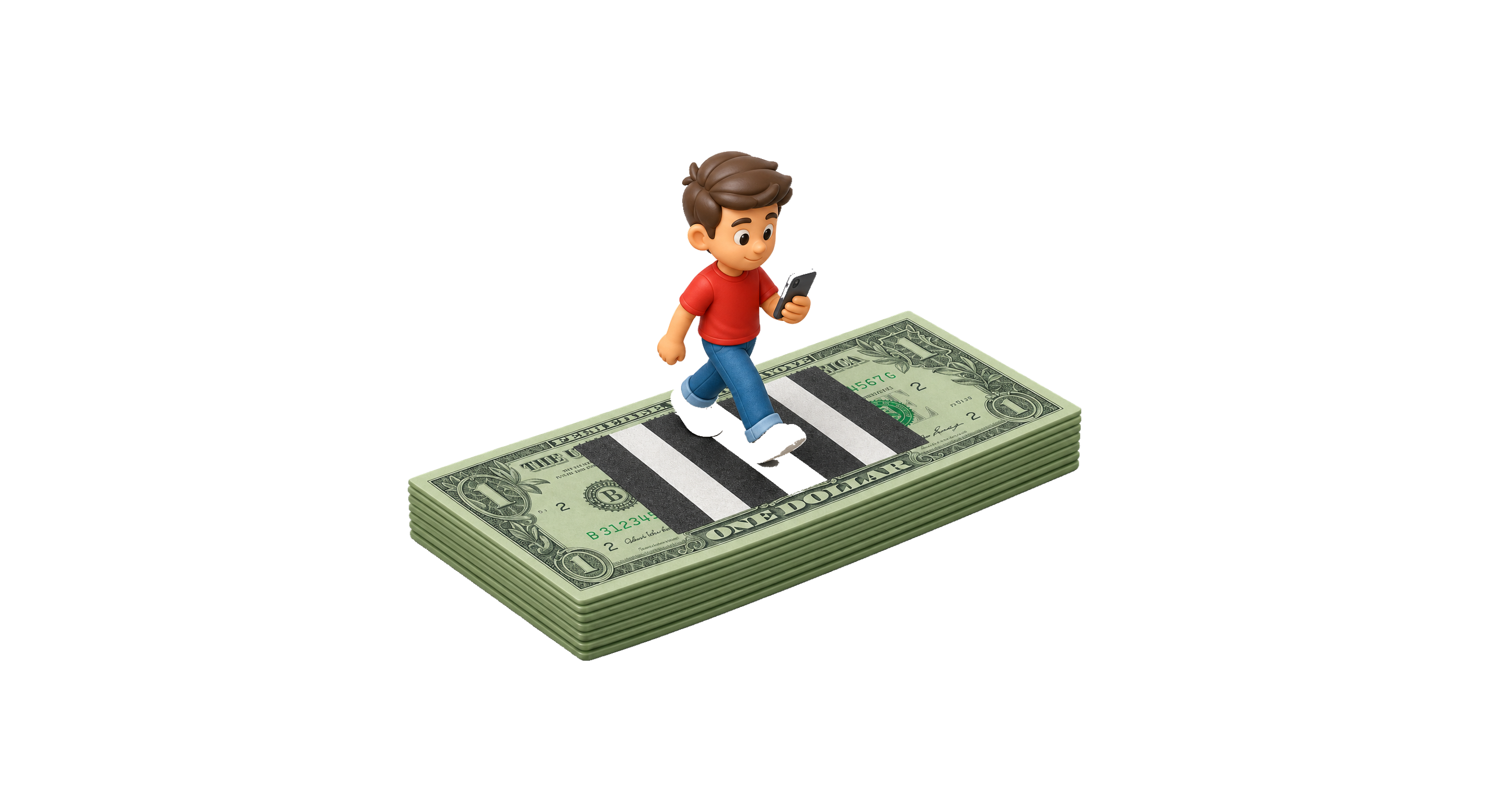
Injured as a pedestrian?
Know what your case is worth with AI Pedestrian Payout Calculator for FREE!
Start my free evaluationThe Independent Contractor Conundrum: DoorDash’s Stance
DoorDash, like many gig economy platforms, classifies its drivers as independent contractors, not employees. This distinction is the bedrock of their operational model and, crucially, their liability strategy. If Mark were a direct employee of DoorDash, the principle of respondeat superior would likely apply, meaning DoorDash could be held vicariously liable for his actions within the scope of his employment. However, with independent contractors, that direct link is severed, at least in DoorDash’s view.
This classification isn’t just a corporate preference; it’s a legal battleground. Courts across the country have grappled with whether gig economy drivers truly fit the independent contractor mold, or if the level of control exercised by platforms like DoorDash pushes them closer to employee status. In Georgia, the test for employee versus independent contractor status typically involves assessing factors such as the degree of control over the worker’s duties, the method of payment, and the provision of tools or equipment. While DoorDash provides the app and facilitates orders, drivers use their own vehicles and largely set their own hours. This gives DoorDash a strong argument for their independent contractor classification.
Navigating Georgia’s Tort Law: Modified Comparative Negligence
Even before delving into DoorDash’s specific policies, we had to consider Georgia’s fundamental tort law. Georgia operates under a system of modified comparative negligence, as outlined in O.C.G.A. Section 51-12-33. This means that if Sarah was found to be 50% or more at fault for the accident, she would be barred from recovering damages. If she was less than 50% at fault, her recoverable damages would be reduced proportionally to her degree of fault. In Sarah’s case, the police report clearly indicated Mark ran a red light, placing primary fault squarely on him. This was a crucial piece of evidence that strengthened her position significantly.
Involved in a truck accident?
Trucking companies begin destroying evidence within 14 days. Truck accident claims average 3× higher than car accidents.
My team immediately began gathering evidence. We secured the police report, witness statements from bystanders, and crucially, requested any available surveillance footage from nearby businesses along Washington Road. We also advised Sarah’s family to document all medical treatments, hospital stays, and rehabilitation costs meticulously. These records would form the basis of her claim for economic damages, including medical expenses and lost wages.
DoorDash’s Insurance Policy: When It Kicks In
DoorDash does provide some level of insurance coverage, but it’s typically secondary to the driver’s personal auto insurance and often has specific conditions. According to DoorDash’s publicly available policies (which can be found on their official site), they offer third-party liability coverage for bodily injury and property damage, but usually only when a driver is on an active delivery and their personal insurance policy denies the claim or is insufficient. The critical phrase here is “active delivery.” This means the driver must have accepted an order and be en route to pick it up or deliver it. If the driver was simply logged into the app but not on an active delivery, or if they were driving for personal reasons, DoorDash’s policy likely wouldn’t apply.
In Sarah’s case, Mark was indeed on an active delivery. This meant DoorDash’s policy, which in 2026 typically offers up to $1 million in third-party liability coverage, became a potential avenue for compensation. However, it’s not a straightforward process. DoorDash’s insurance carrier will scrutinize the claim, often attempting to shift responsibility or minimize payouts. This is where having an experienced personal injury attorney becomes indispensable. We had to prepare for a fight, not just against Mark’s personal insurance, but potentially against DoorDash’s formidable legal team.
The Battle for Compensation: A Case Study
Let me give you a concrete example from Sarah’s case. Mark’s personal auto insurance policy had a bodily injury limit of $50,000 per person. Given Sarah’s extensive injuries, including a fractured femur and a concussion, her medical bills alone quickly surpassed this amount. Her initial hospital stay was over a week, followed by months of physical therapy at the Augusta University Health Rehabilitation Center. Her projected lost earnings from her part-time job and potential academic setbacks were also substantial.
We submitted a demand to Mark’s personal insurance carrier. As expected, they offered the policy limits, which was a good start but woefully inadequate. This then triggered the secondary coverage from DoorDash. Their carrier, a large national insurer, initially pushed back, questioning the extent of Sarah’s injuries and suggesting some level of comparative fault on her part, despite the police report. They even tried to argue that Mark was momentarily off-app, a claim we quickly debunked using DoorDash’s own internal data logs that confirmed his active delivery status.
We compiled a detailed damages report, including expert testimony from Sarah’s treating physicians regarding her long-term prognosis and a vocational expert who assessed her future earning capacity. We also included a significant claim for pain and suffering, which is a non-economic damage recognized under Georgia law. After several rounds of negotiation, and the threat of litigation in the Richmond County Superior Court, DoorDash’s carrier ultimately agreed to a substantial settlement. The final amount, while confidential, was sufficient to cover all of Sarah’s medical expenses, lost wages, and provide a fair measure of compensation for her pain and suffering. It took almost 18 months, but we got there. This wasn’t a quick win; it was a grind, requiring persistent advocacy and a deep understanding of both personal injury law and the intricacies of gig economy liability.
What Nobody Tells You: The Data Advantage
Here’s an editorial aside: one thing nobody really tells you about these cases is the power of data. DoorDash, Uber Eats, and similar platforms log everything. Every accepted order, every pickup, every delivery, every route. This data is gold. When a driver or their insurer tries to claim they weren’t “on duty,” we immediately subpoena that data. It’s almost always incontrovertible evidence. Don’t let them tell you it doesn’t exist or isn’t relevant. It absolutely is.
Preventative Measures and Driver Responsibility
While we focus on liability after an accident, it’s worth considering the broader context. The rise of food delivery services has led to a significant increase in vehicles on the road, often driven by individuals under pressure to complete deliveries quickly. This pressure can, unfortunately, lead to distracted driving or aggressive maneuvers. According to a report from the CDC, distracted driving remains a leading cause of accidents, and the constant interaction with a delivery app can certainly contribute to this. Drivers, whether independent contractors or not, have a fundamental responsibility to operate their vehicles safely and adhere to all traffic laws. Their personal insurance policies are the first line of defense, but when those fall short, the complexities of corporate liability come into play.
For pedestrians in Augusta, vigilance is paramount. Even when you have the right of way, always make eye contact with drivers if possible and proceed with caution. The unfortunate reality is that even careful pedestrians can become victims of negligent drivers.
The Long Road to Recovery: Beyond the Lawsuit
Sarah’s physical recovery was arduous. Her legal battle was just one facet of her journey. The settlement provided financial relief, but it couldn’t erase the trauma. This is why, as legal professionals, we don’t just focus on the numbers. We connect our clients with resources for emotional support and ongoing rehabilitation. A successful legal outcome should facilitate genuine recovery, not just cover bills.
The case of the DoorDash pedestrian accident in Augusta serves as a stark reminder of the evolving challenges in personal injury law. The gig economy has introduced new layers of complexity, demanding a proactive and informed approach from victims and their legal representatives. My experience tells me that these cases require tenacity, a meticulous approach to evidence, and a deep understanding of both state law and the specific policies of the companies involved. Don’t assume the company will simply do the right thing; they won’t. You have to make them.
When facing an incident like Sarah’s, immediate legal consultation is not just advisable; it’s essential. The window for gathering critical evidence can be fleeting, and understanding your rights from the outset can significantly impact the outcome.
What should I do immediately after being hit by a DoorDash driver in Augusta?
First, seek immediate medical attention, even if your injuries seem minor. Then, if possible, gather contact information from the driver and any witnesses. Take photos of the scene, vehicle damage, and your injuries. Report the accident to the Augusta Police Department and obtain a copy of the police report. Finally, contact an experienced personal injury attorney in Augusta as soon as possible.
Is DoorDash always liable if one of their drivers causes an accident?
No, not always. DoorDash drivers are typically independent contractors, which complicates direct corporate liability. DoorDash’s insurance usually acts as secondary coverage, meaning it may only apply if the driver was on an active delivery at the time of the accident and their personal insurance policy denies the claim or is insufficient to cover damages.
What kind of damages can I claim after a DoorDash pedestrian accident?
You can typically claim both economic and non-economic damages. Economic damages include medical expenses (past and future), lost wages (past and future), and property damage. Non-economic damages cover pain and suffering, emotional distress, loss of enjoyment of life, and disfigurement.
How does Georgia’s comparative negligence law affect my claim?
Georgia’s modified comparative negligence law (O.C.G.A. Section 51-12-33) states that if you are found to be 50% or more at fault for an accident, you cannot recover any damages. If you are less than 50% at fault, your recoverable damages will be reduced by your percentage of fault. For example, if you are 20% at fault, your total damages would be reduced by 20%.
How long do I have to file a lawsuit after a pedestrian accident in Georgia?
In Georgia, the statute of limitations for personal injury claims, including pedestrian accidents, is generally two years from the date of the accident. This is codified under O.C.G.A. Section 9-3-33. It is crucial to consult with an attorney well before this deadline to ensure all necessary legal steps are taken.



